
Reading Buck Sign and Behavior: Lessons From Years in the Woods
By Rodney Elmer
There’s a difference between seeing deer sign and reading deer behavior.
Early in my hunting career, I used to walk right past sign thinking, “If deer were really here, there’d be more of it.” I treated tracks, beds, rubs, and scrapes as static stamps rather than clues in a story.
It took years — miles of trails, busted winds, and boots full of water — before I realized that deer sign isn’t decoration. It’s a language.
In this episode of the Mountain Deer Podcast, I break down what I’ve learned about interpreting the woods — not just waiting for luck to show up. Below are the key insights, supported by research, that help me make better decisions in the field.
What Sign Is — and What It Means.
Deer leave sign everywhere. But not all sign is created equal.
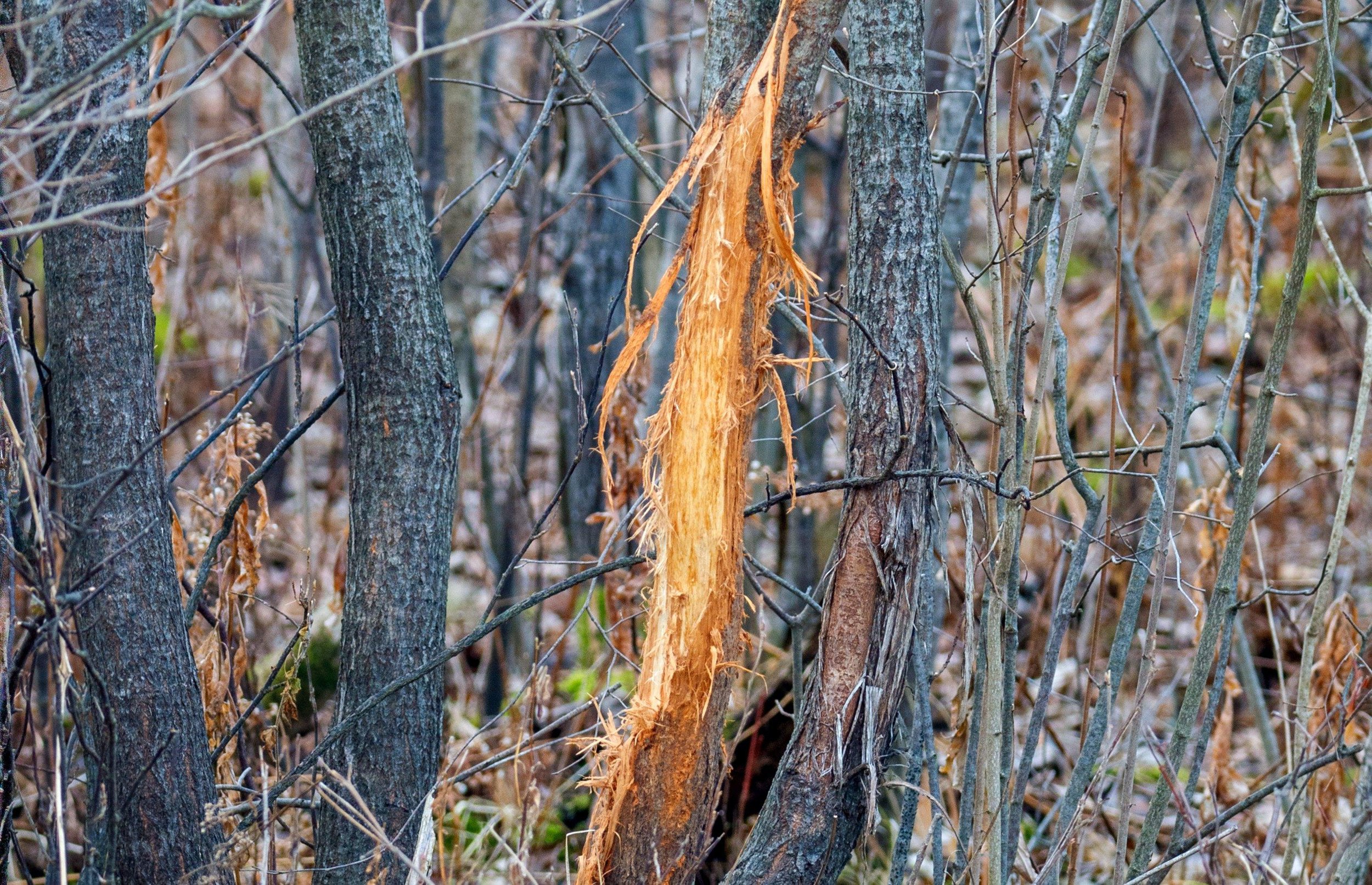
A rub is more than a mark on a tree — it’s a communication tool mature bucks use to leave scent and assert presence, especially during the rut. Scrapes aren’t random; they’re carefully selected spots where bucks and does interactively leave scent and visual cues. Mountain Deer
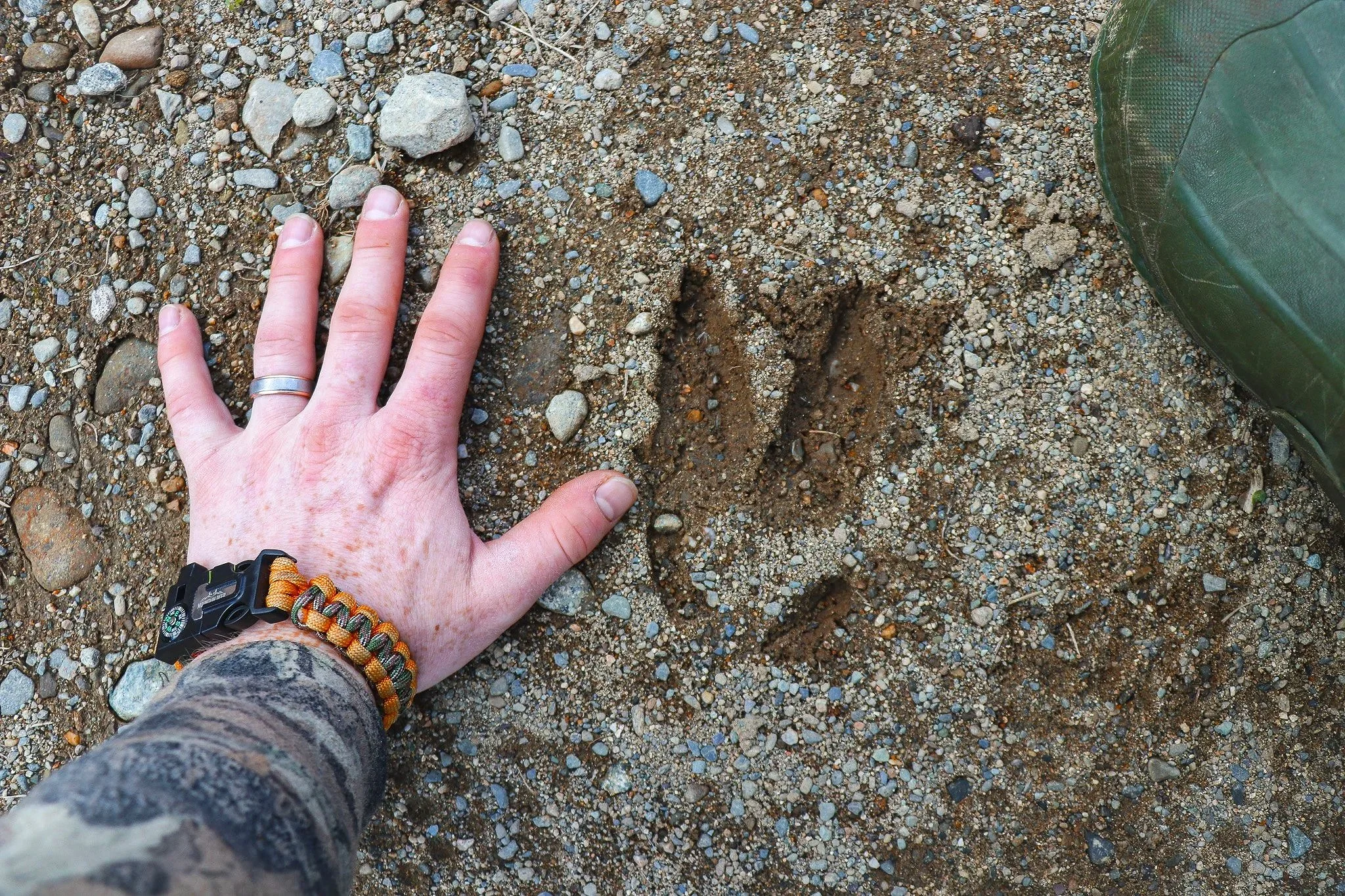
Tracks tell a story too. A clear, fresh track in soft soil means movement right now, while muddier, less distinct tracks could be older, giving you a different kind of information.
The trick isn’t to find sign — it’s to determine:
How old the sign is
What the sign says about movement direction
Whether the sign reflects feeding, bedding, or travel
The Importance of Fresh vs. Old Sign
One of the hardest lessons for hunters is understanding age of sign.
A fresh track on soft ground is vastly different from an older trail that’s been trampled through the day. One tells you where a deer was heading in the last few hours, the other tells you where a deer has already been and likely left.
Research on animal tracking and age estimation supports this: fresh sign provides higher predictive value for current movement patterns than older sign. YouTube
Reading Tracks: More Than Footprints
When a buck is relaxed and feeding, his tracks tend to be closer together and meandering. When he’s traveling with purpose — moving between bedding and feeding areas — his stride lengthens and the direction becomes straighter.
Studies in wildlife movement patterns (like those used in deer habitat research) show that travel paths between resources are more directional and consistent than random movement in feeding zones. YouTube
In the woods, that manifests as:
Wide spacing (travel)
Straight lines over terrain
Crossings at natural funnels (ridges, saddles, pinch points)
Beds: Why Location Matters
A bed isn’t just a place a deer stopped moving. It’s where a deer felt secure.
Most beds are chosen with:
Wind advantage
Line of sight
Quick access to escape routes
This aligns with research indicating that prey animals select resting sites based on vigilance potential and risk mitigation. YouTube
Rather than thinking a bed means the deer is nearby right now, I started thinking in terms of landscape strategy:
Why did this deer choose this spot over another?
When you ask that, beds become far more useful than just “sign on the ground.”
Rubs and Scrapes: Communication, Not Decoration
Rubs are scent posts — and not just for testosterone display. They tell you where a buck is investing energy, marking territory, and interacting with does. Scrapes, similarly, are collection points of scent and interaction.
A study on white-tailed deer social behavior notes that scraping and rub creation is correlated with reproductive signaling and dominance communication — not random behavior. YouTube
The takeaway? Where you see a concentration of rubs and scrapes, you’re seeing a communication hub — often a transition area between feeding, bedding, and movement.
Sign Changes With Pressure — and That’s When Interpretation Matters Most
Deer behavior shifts when pressure increases. Instead of moving predictably, deer often tighten movement into smaller windows and alter travel routes to avoid exposure.
This isn’t anecdotal. Studies on deer movement under hunting pressure show that deer adjust pattern, timing, and route usage in response to human presence. YouTube
For hunters, this means:
Don’t expect sign to look the same during pressure as it does early season
Fresh sign might be more subtle and short-lived
Older sign might still be part of a deer’s strategy, not useless
Using Sign Together — Not in Isolation
One of the biggest mistakes I see — and made myself many times — is treating sign like standalone clues.
But rubs without tracks don’t tell the whole story.
Beds without direction don’t help you move.
Scrapes without weather context can mislead.
Sign becomes powerful when combined.
When I see fresh tracks leading into a series of beds, with fresh rubs on exit routes, I start seeing behavior — not just evidence.
That’s when patterns emerge.
Final Thoughts: Practice Reading the Story
Deer sign isn’t a picture. It’s a sentence.
And it’s only as meaningful as the context you give it.
Over my years hunting, understanding this has been the biggest shift in success — because while gear, weather, wind, and timing matter, behavior is the language worth learning.
Next time you’re in the woods, slow down and ask:
How fresh is this?
Why here?
What happened next?
When you read the story instead of just find the words, everything changes.
Listen to the Full Episode
To hear the full breakdown on buck sign, behavior, and real examples from the woods, listen to the complete episode here: