
Buck Down…Now What?
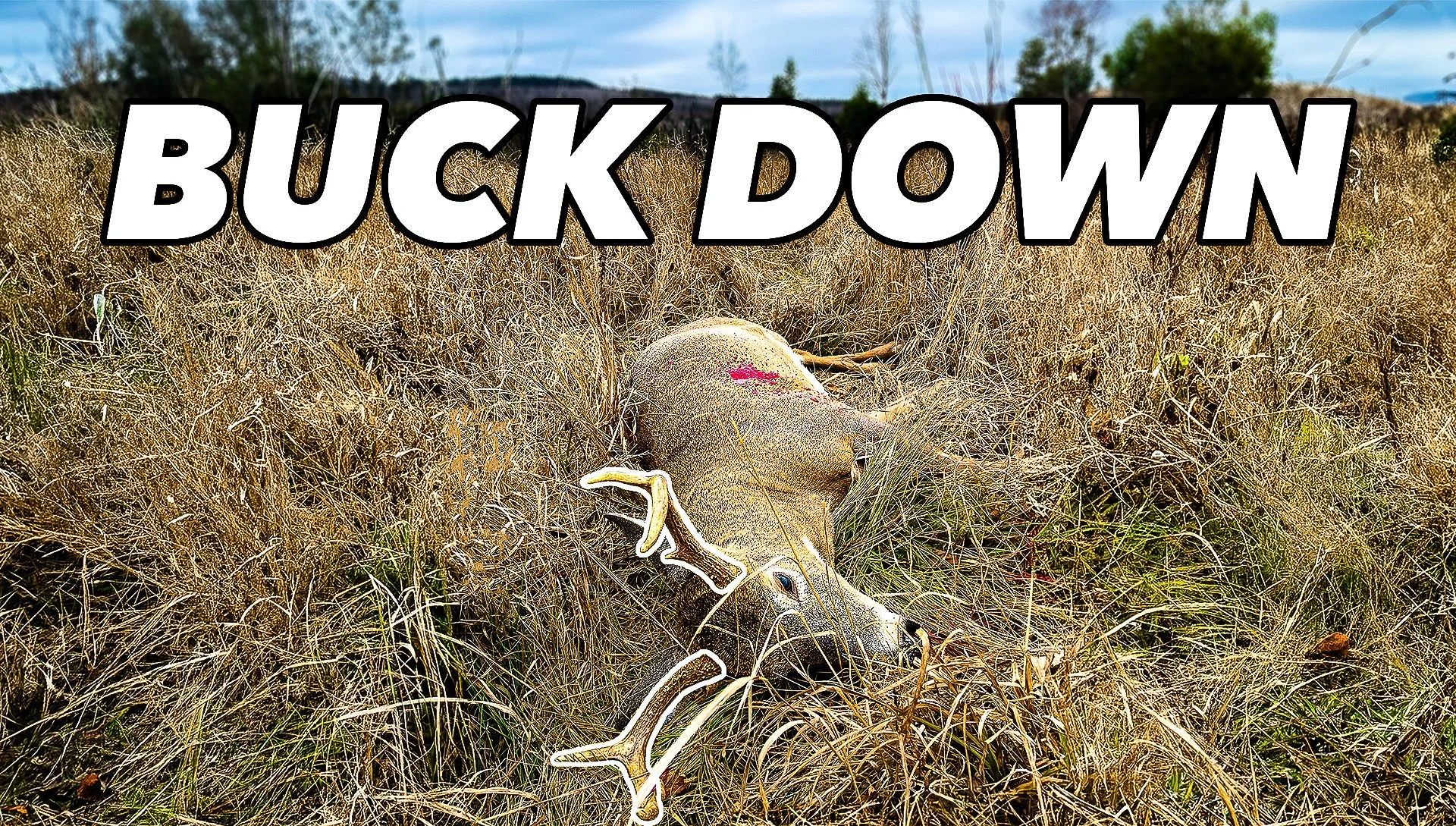
The Hunt Isn’t Over When the Shot Breaks.
The moment the shot breaks, everything changes.
Heart rate spikes. Time compresses. Your mind starts racing ahead — replaying the shot, imagining recovery, jumping straight to the end of the story.
But here’s the truth most hunters learn the hard way:
The most important decisions of the hunt often happen after the shot — not before it.
In this episode of the Mountain Deer Podcast, we talk about what really matters once a buck is down or hit, and why discipline, patience, and awareness are just as important in recovery as they are in the setup.
The Shot Is an Ending — and a Beginning
There’s a mental trap that happens the second a deer is hit.
You feel like the hunt is over.
But in reality, you’ve just entered a new phase — one where mistakes can cost you a deer you did everything right to get a chance at.
Good shots can still go bad if handled poorly afterward. Marginal hits can still turn into successful recoveries if handled correctly.
The difference is what you do next.
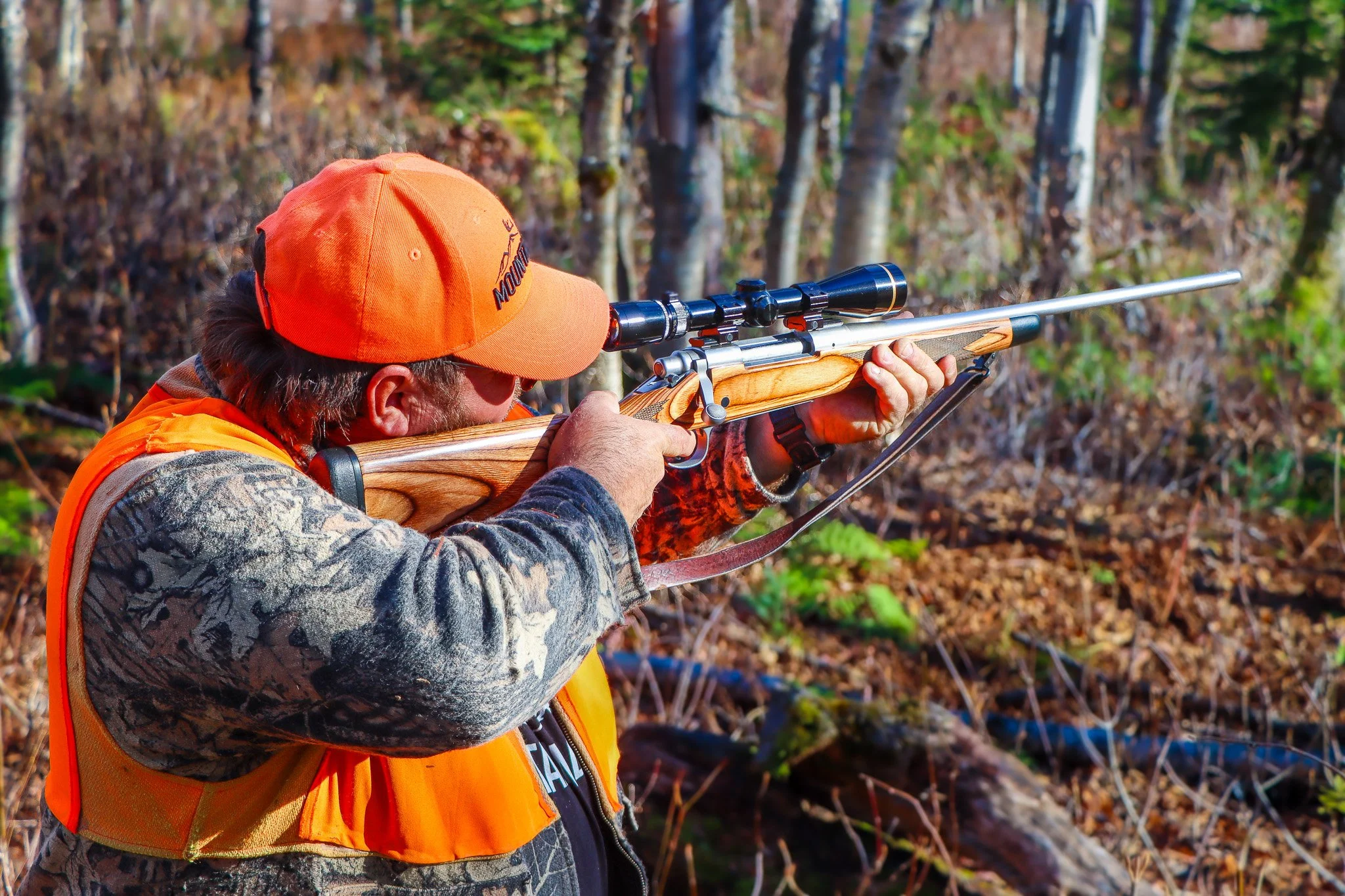
The Urge to Move Is Your Enemy
One of the strongest instincts after the shot is movement.
You want to:
Get down immediately
Follow the deer
Confirm what happened
Ease the anxiety
That instinct has ruined more recoveries than bad shooting ever has.
Backing out, slowing down, and giving a deer time isn’t weakness — it’s respect for how tough and resilient whitetails are.
Read the Reaction, Not Your Emotions
The deer tells you a lot in the seconds after the shot.
How it runs.
How fast it moves.
Whether it stumbles, slows, or disappears with purpose.
Those details matter more than how confident you feel about the hit.
Emotions lie. Behavior doesn’t.
Successful recovery starts with honest assessment — not optimism.
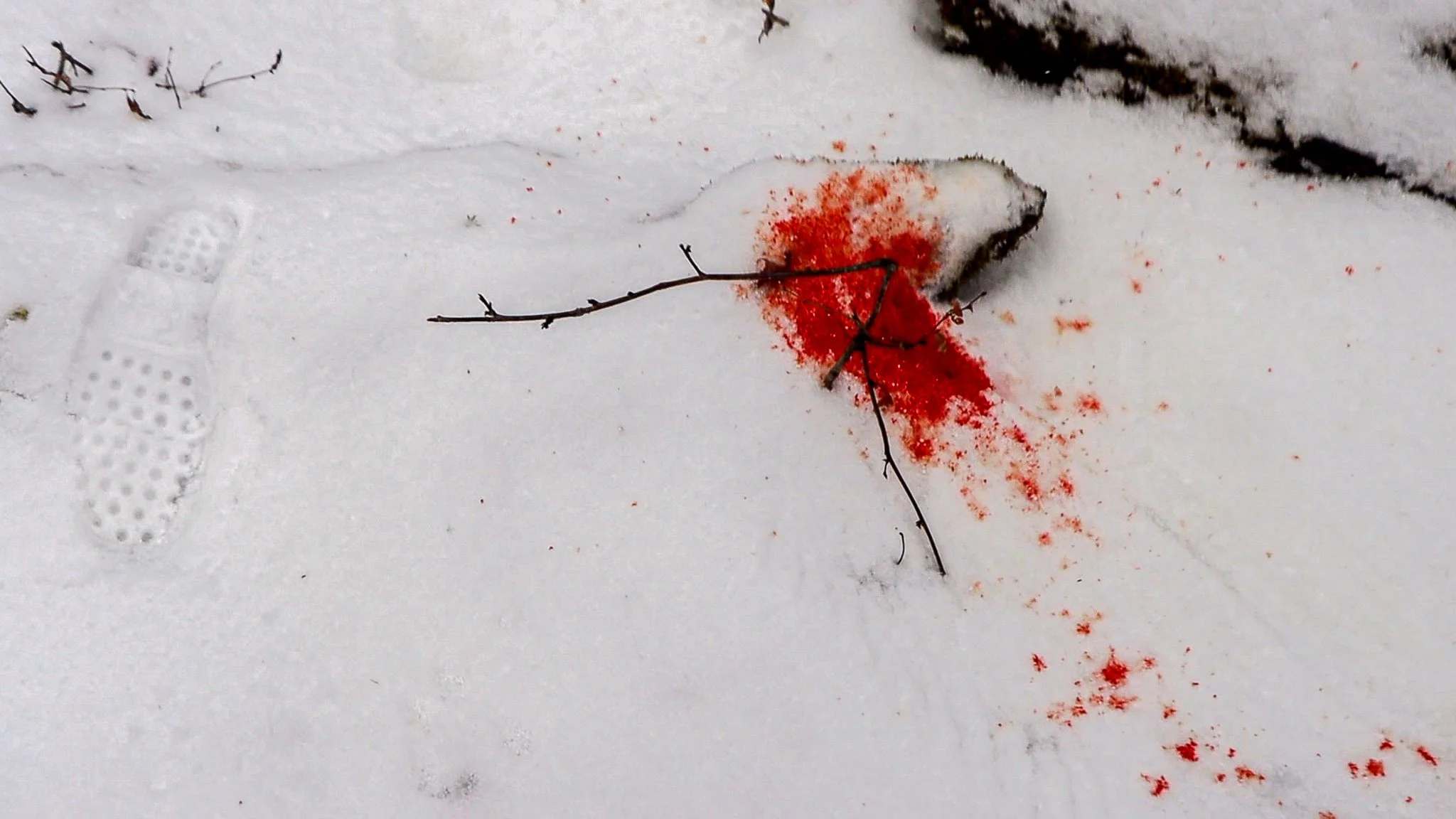
Blood Trails Aren’t Always Dramatic
Movies and stories condition hunters to expect obvious blood trails.
Reality is different.
Some lethal hits produce very little blood early. Some non-lethal hits produce a lot. Terrain, shot angle, and exit wounds all change the picture.
Patience and methodical tracking matter more than volume of sign. The goal isn’t speed — it’s certainty.
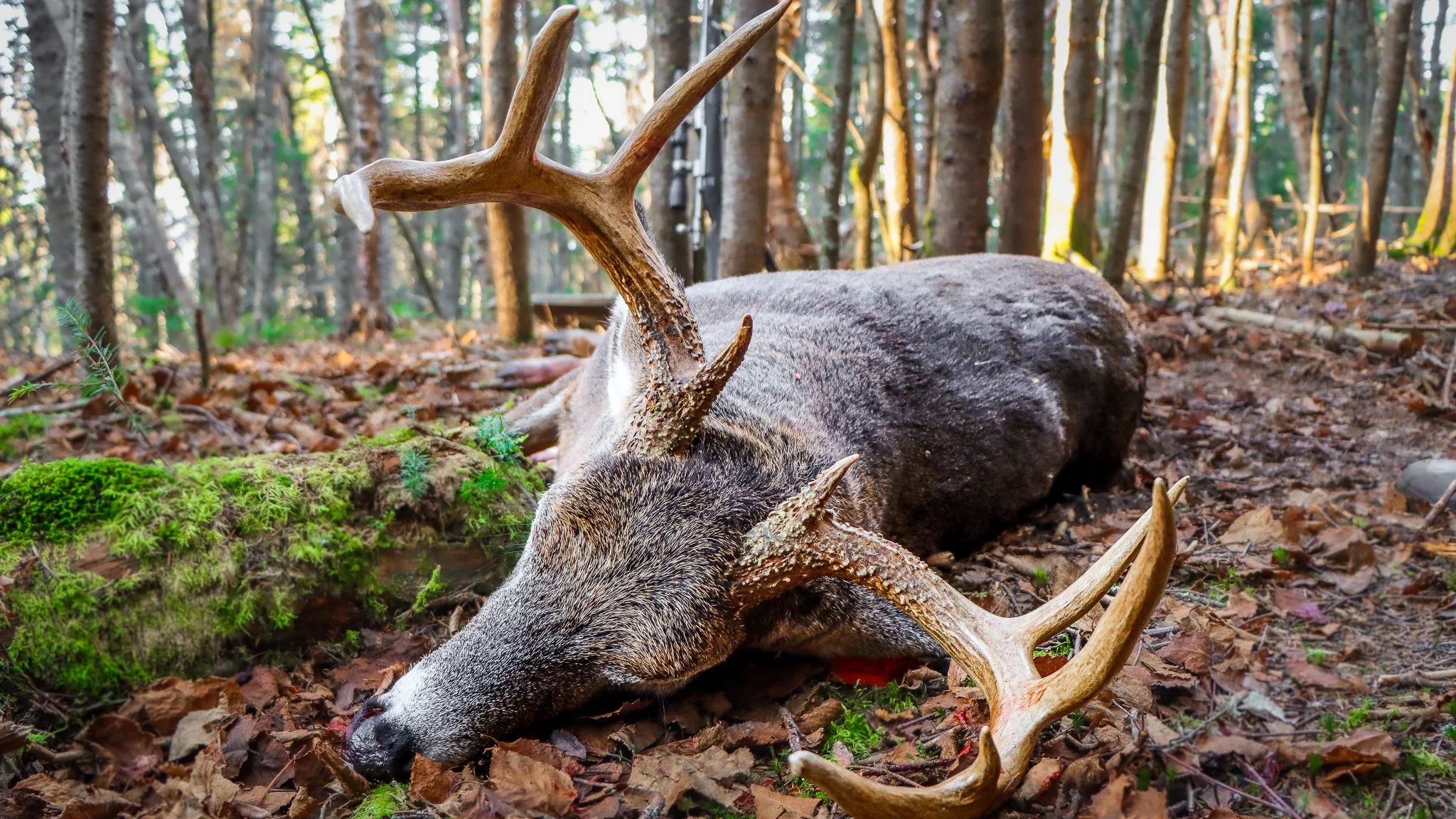
Proper Field Care: Respecting the Deer After the Shot
Once a buck is recovered, the responsibility isn’t over — it shifts.
What you do in the minutes and hours after recovery determines meat quality, legality, and how well the hunt is honored. Good field care isn’t complicated, but it does require intention and a plan.
Here’s a simple checklist to keep things clean, legal, and respectful.
✅ Field Care Checklist (In Order)
1. Confirm the Buck Is Expired
Before anything else:
Approach from behind the head
Watch for eye movement
Touch an eye with a stick (no blink = expired)
Only once you’re certain should you move forward.
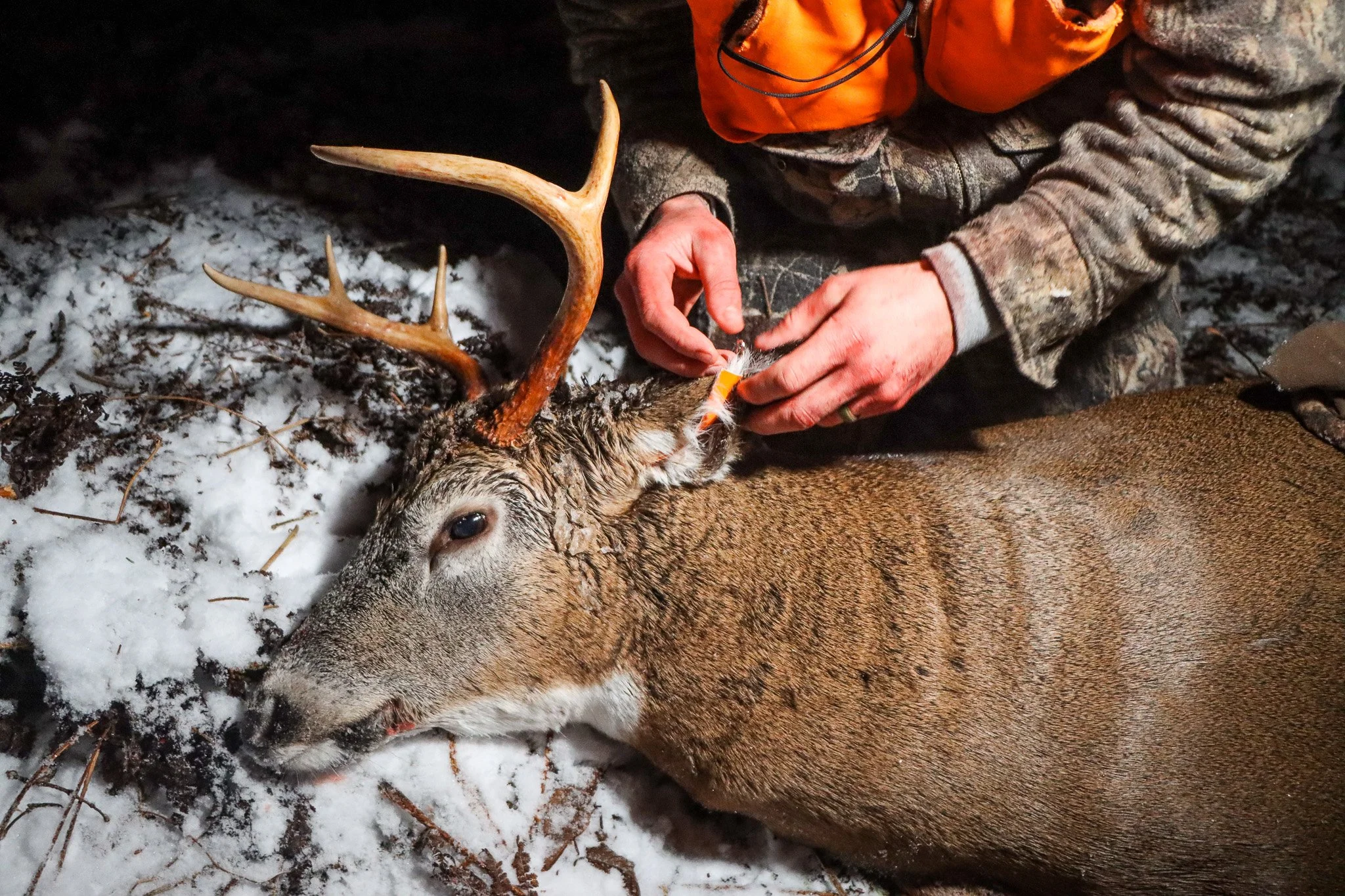
2. Tag the Deer Immediately
This step is non-negotiable.
Attach the tag according to state regulations
Do it before moving the deer any significant distance
Make sure the tag is secure and visible
Tagging isn’t just about legality — it’s about doing things the right way from the start.
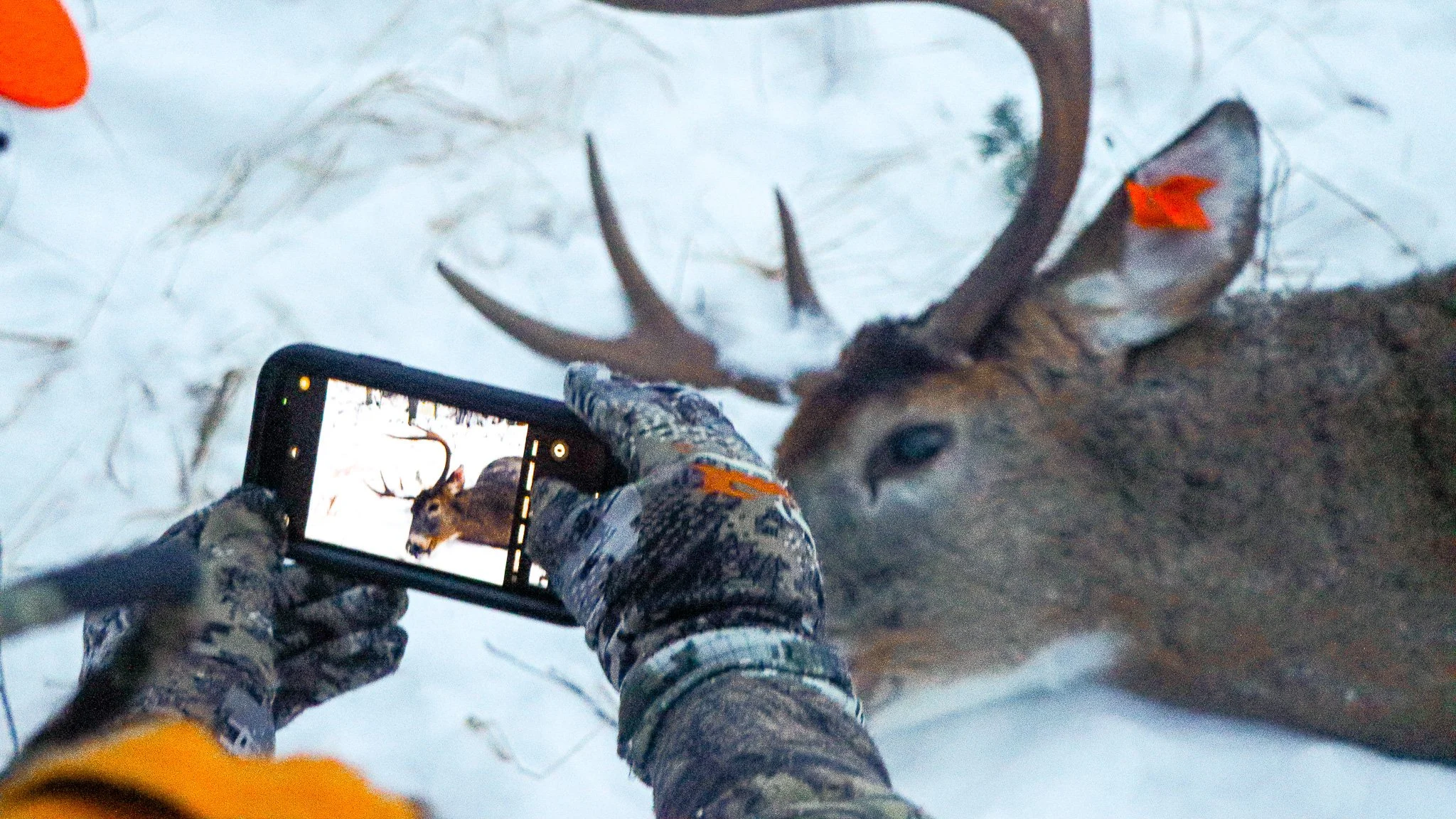
3. Take Photos (If You’re Going To)
If you plan to take photos:
Do it before gutting
Keep it quick and respectful
Avoid dragging the deer around unnecessarily
Clean visible blood from the mouth if needed
Position the deer naturally
Photos should document the moment — not delay proper care.
4. Gut the Deer Promptly
Getting the deer cooled is one of the most important steps.
Open the body cavity carefully
Avoid puncturing the stomach or intestines
Remove organs completely
Prop the cavity open if possible to aid cooling
If temperatures are warm, this step becomes urgent.
5. Make a Plan to Get the Deer Out
Before you start dragging or loading:
Decide the best route, not the shortest
Consider terrain, daylight, and manpower
Determine if you’ll drag, sled, quarter, or use mechanical help
Communicate clearly with anyone helping
A rushed exit plan leads to injury, exhaustion, or damaged meat.
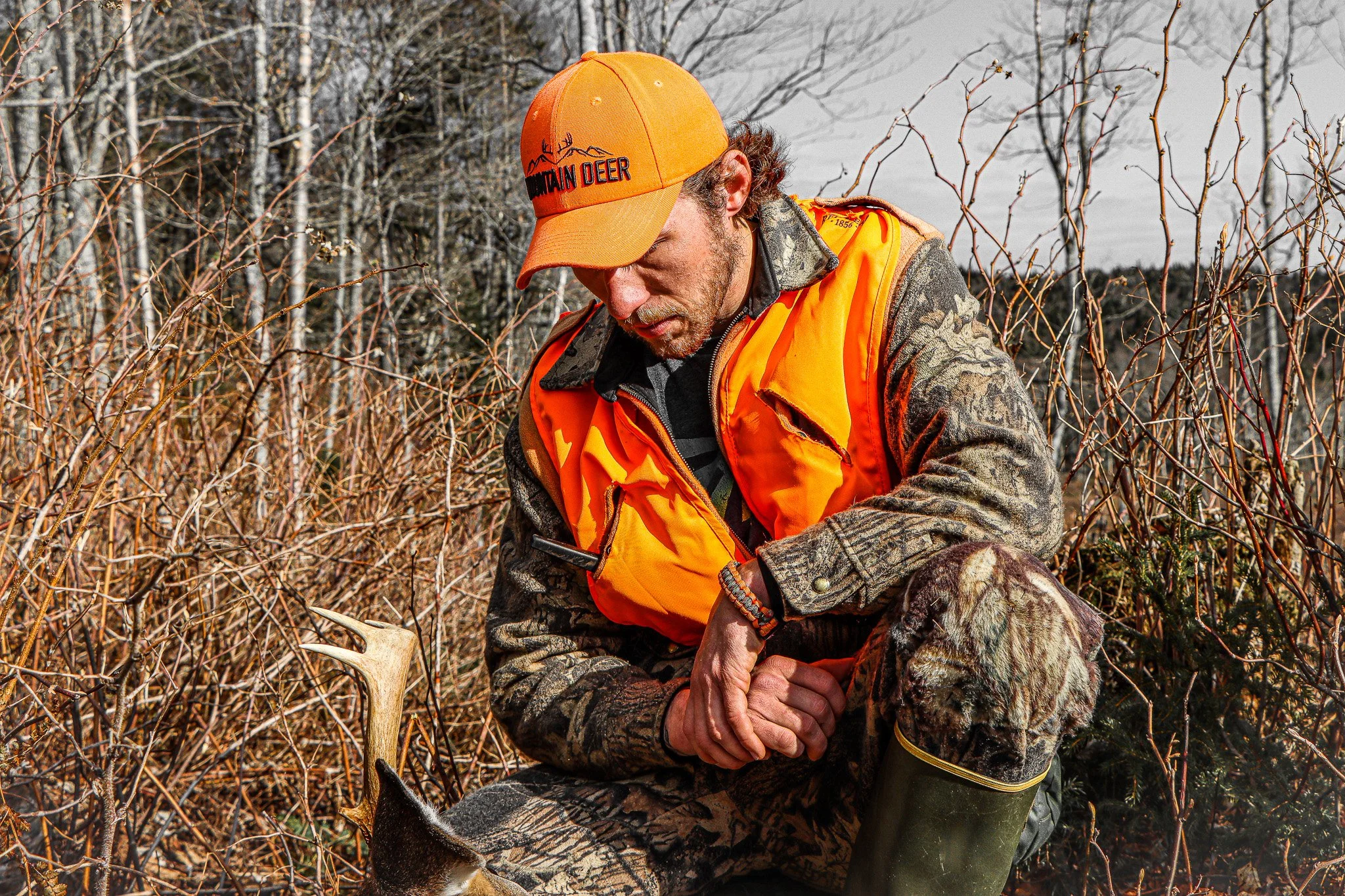
7. Respect the Moment
Before leaving the woods:
Take a moment
Acknowledge the deer
Let the adrenaline settle
This isn’t ceremony — it’s perspective.
Field Care Is Part of Being a Hunter
Anyone can pull a trigger.
Hunters take responsibility for the entire process — from the first decision to the last step out of the woods.
Proper field care:
Preserves meat quality
Honors the animal
Reflects your ethics
And ensures the hunt ends the right way
How you handle a buck after recovery says just as much about you as how you hunted him.
Final Thoughts
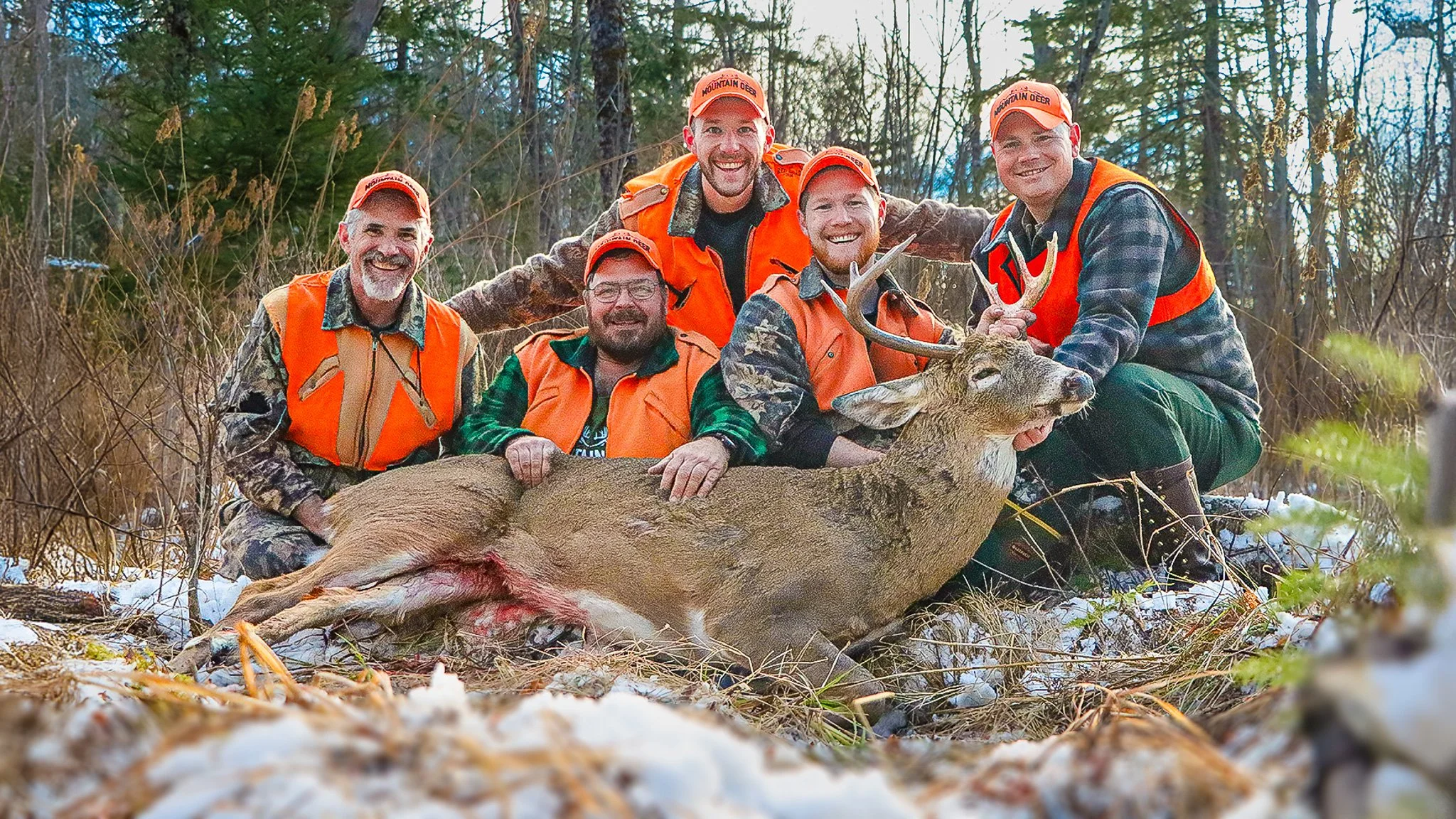
“Buck down” isn’t the finish line.
It’s a responsibility.
How you handle the minutes and hours after the shot determines whether the hunt ends with gratitude or regret.
The best hunters aren’t just good at killing deer.
They’re good at finishing the job the right way.
Listen to the Full Episode
To hear the full breakdown, real-world examples, and recovery lessons, listen to the complete episode here: