
Reading Buck Sign and Behavior: How to Understand What a Deer Is Telling You
Turning Tracks, Rubs, and Movement Into Real Decisions
One of the biggest gaps between average hunters and consistently successful ones isn’t shooting skill — it’s interpretation.
Most hunters see sign. Good hunters read it.
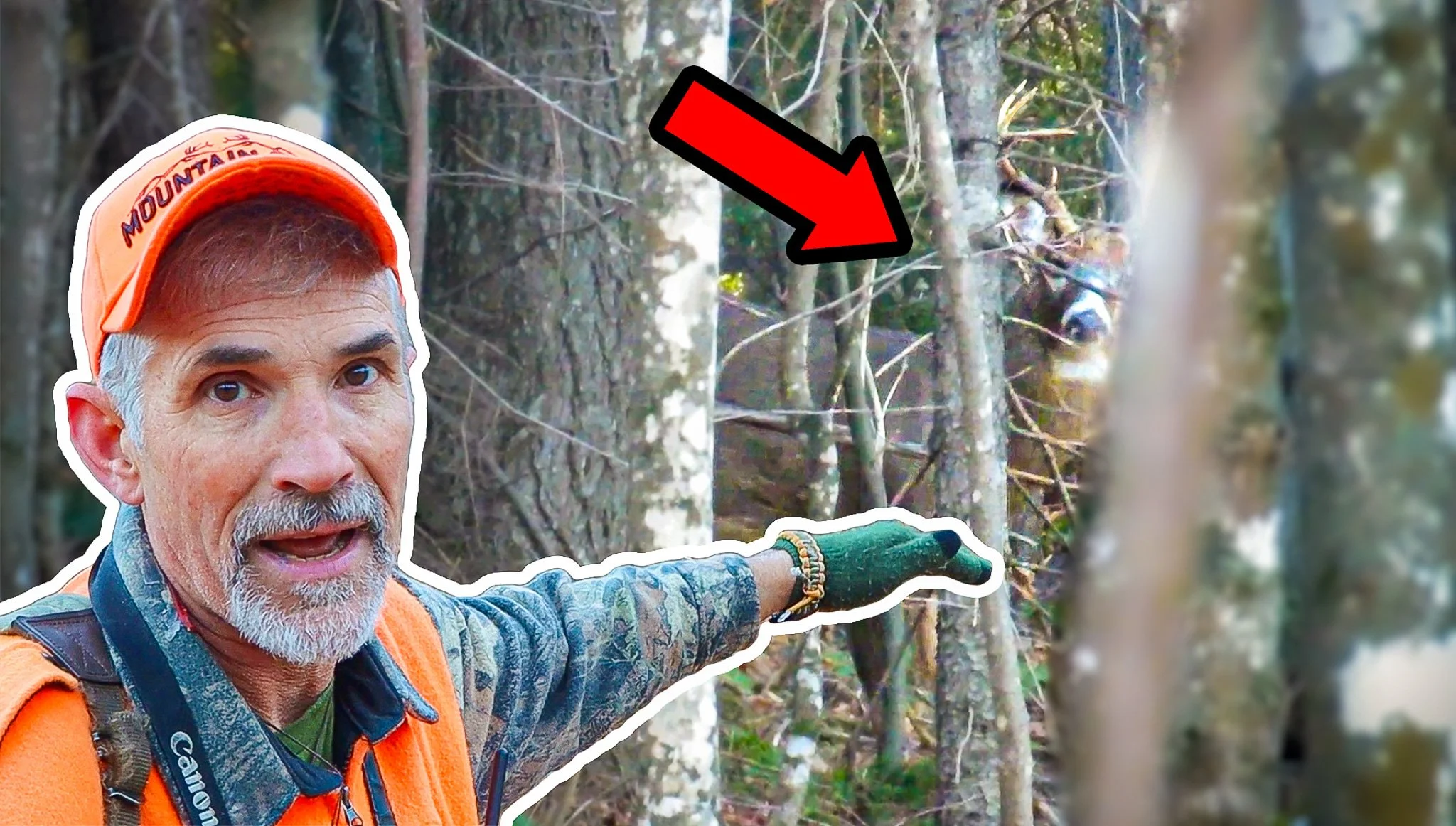
In this episode of the Mountain Deer Podcast, Rodney Elmer breaks down how to read buck sign and behavior in a way that actually influences your decisions in the woods. Not textbook definitions — but real-world understanding of what a buck is doing, why he’s doing it, and what you should do next.
Sign Without Context Is Just Noise
Tracks, rubs, scrapes, beds — they don’t mean much on their own.
The mistake many hunters make is treating sign as confirmation rather than information. A rub doesn’t automatically mean a buck is close. A track doesn’t always mean he’s killable. Sign only becomes useful when you understand behavior, timing, and intent.
Your job isn’t to collect sign — it’s to connect the dots.
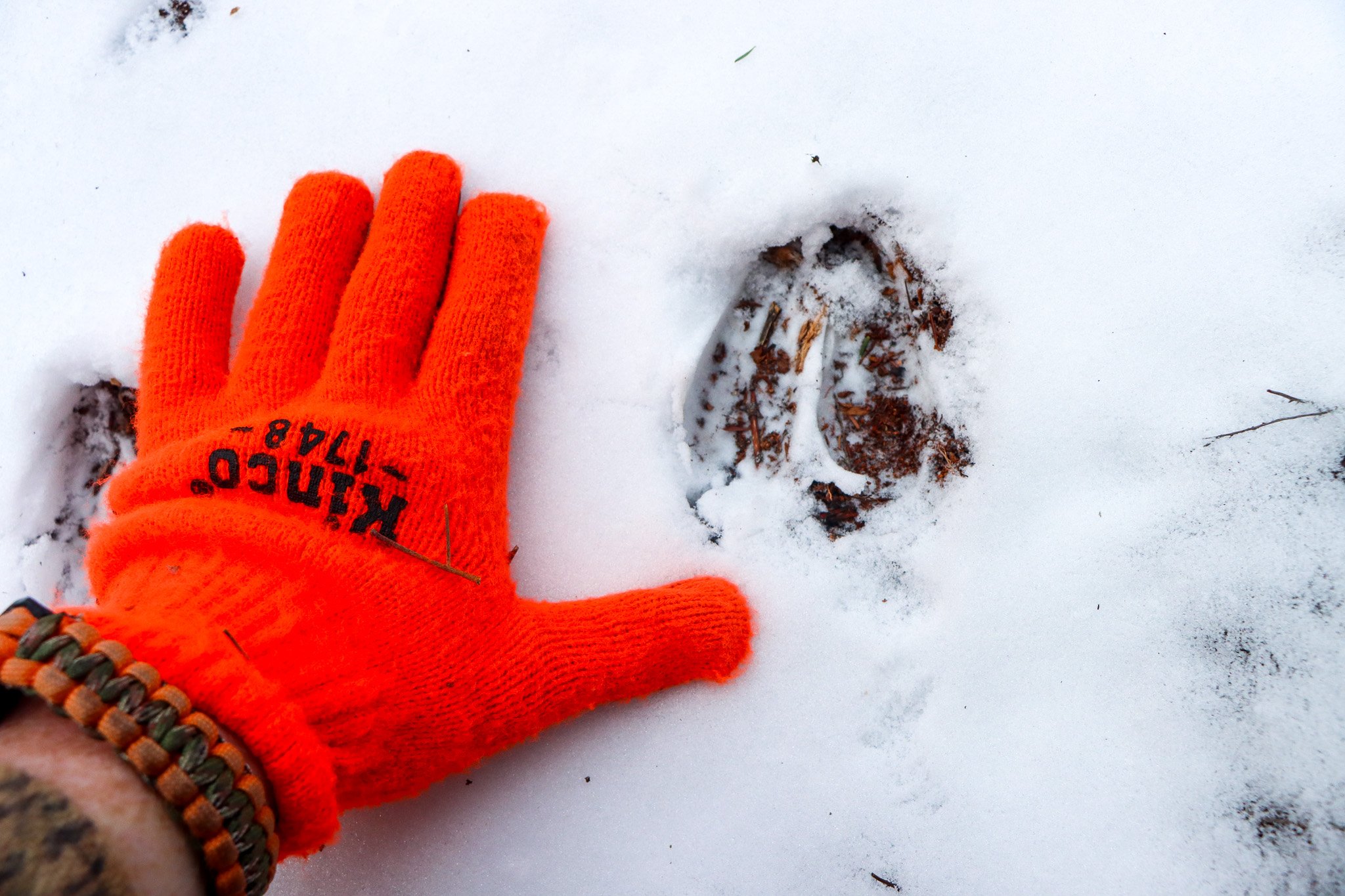
Tracks Tell You More Than Direction
A track isn’t just a footprint. It’s a record of movement and mindset.
When reading tracks, pay attention to:
Stride length
Direction changes
Track depth
Consistency of travel
A buck moving with purpose leaves a different story than one feeding, checking does, or slipping through cover. Learning to recognize these differences allows you to decide whether to slow down, speed up, still-hunt, or abandon the track entirely.
Buck Behavior Changes With Pressure
One of the most important concepts covered in this episode is pressure awareness.
As hunting pressure increases:
Bucks move less during daylight
Travel routes become more concealed
Beds shift into tougher terrain
Movement becomes more deliberate
Reading sign without considering pressure often leads hunters to hunt where bucks used to be — not where they are now.
Rubs and Scrapes Are Historical Clues
Rubs and scrapes are valuable, but they’re often misunderstood.
They tell you:
Where a buck has traveled
How he relates to terrain
Seasonal patterns
What they don’t tell you is whether he’s there today.
Mature bucks are creatures of habit, but they’re also masters of adaptation. The key is understanding why a rub line exists and how it fits into bedding, wind, and security cover.
Behavior Reveals Opportunity
The most important takeaway from this episode is that behavior creates windows of opportunity.
When you learn to read:
When a buck feels safe
When he’s transitioning
When he’s vulnerable
You stop hunting randomly and start hunting intentionally.
This is where confidence replaces second-guessing. You’re no longer reacting — you’re responding.
Hunting Is a Thinking Game
Gear matters. Skill matters. But mindset matters most.
The best hunters aren’t the ones who see the most sign — they’re the ones who understand what the sign means and act accordingly.
If you want to become more consistent, start asking better questions in the woods:
Why here?
Why now?
Why this movement?
Final Thoughts: Let the Deer Teach You
Every buck leaves a lesson behind.
If you slow down, stay honest, and read sign without ego or assumptions, the woods will tell you exactly what’s going on. The goal isn’t to force an outcome — it’s to understand the system you’re hunting inside of.
Listen to the Full Episode
To hear the full breakdown and real-world examples, listen to the complete episode: