
How Fast Should You Go When Tracking a Buck?
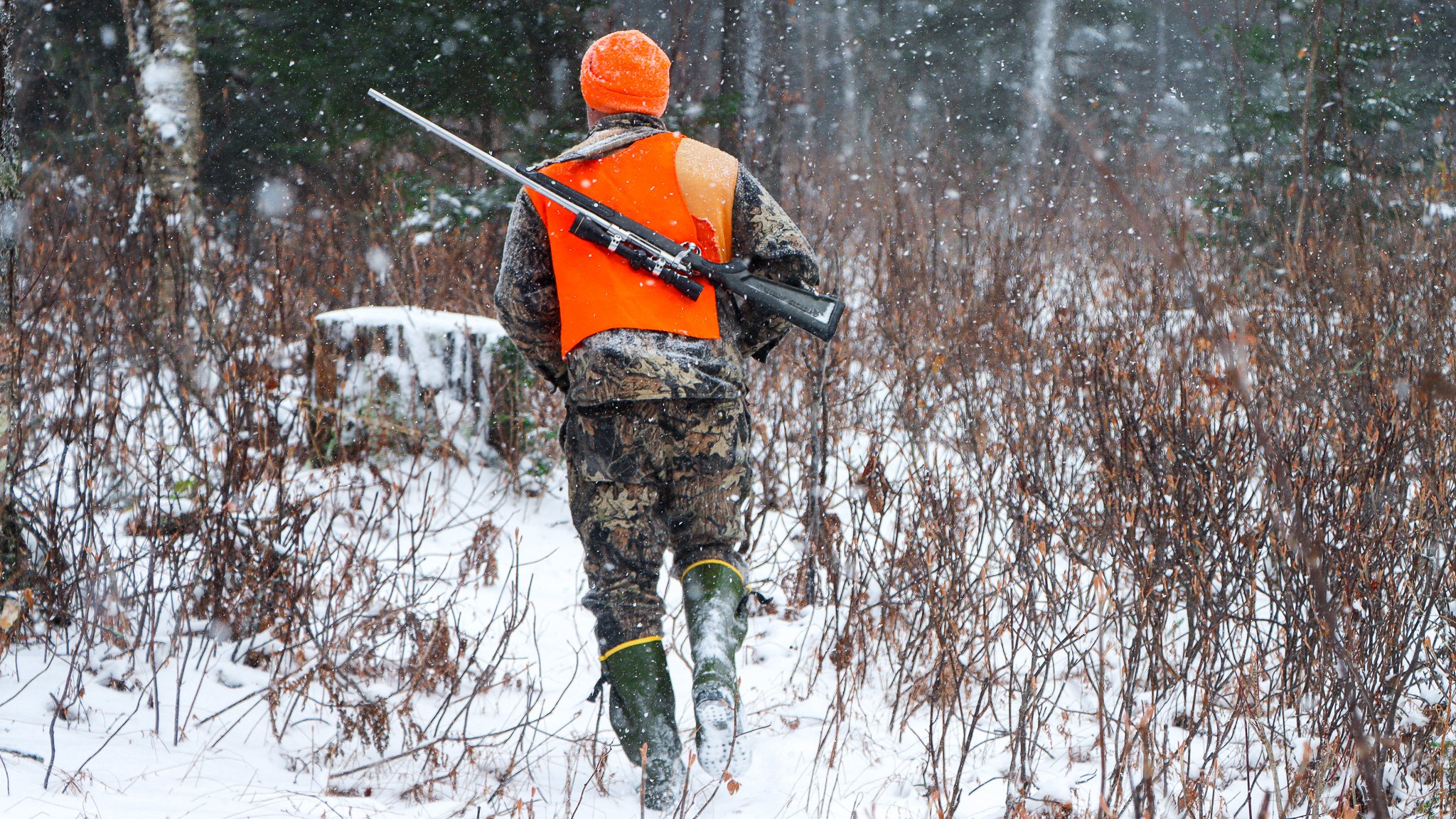
Lessons From Real-World Deer Tracking Experience
Tracking a buck in the snow isn’t about speed — it’s about decision-making.
One of the biggest mistakes hunters make when following a deer track is either pushing too fast and blowing the buck out, or creeping so slow they lose momentum and confidence. In this episode of the Mountain Deer Podcast, Rodney Elmer breaks down how fast you should go when tracking a buck — and more importantly, how to read the track so it tells you what pace is right.
If you’ve ever wondered whether you’re moving too fast, too slow, or second-guessing every step, this is for you.
Tracking Speed Depends on the Buck — Not the Hunter
The first thing to understand is that there is no single “correct” speed for tracking a buck.
Your pace should be dictated by:
The age of the track
The terrain
The buck’s behavior
The time of day
And the conditions underfoot
A buck that’s relaxed and feeding leaves a very different track than one that’s alert or pressured. Your job as a tracker isn’t to rush — it’s to interpret what the deer is doing and adjust accordingly.
Fresh Tracks Mean Slow Down
When you cut a smoking-hot track, especially early in the morning, the most common mistake is excitement.
Fresh tracks often mean:
The buck is on his feet
He may not be far ahead
He’s alert to sound and movement
This is when slowing down matters most.
Instead of walking directly on the track, circle slightly off it. Look ahead. Read the terrain. Ask yourself where the buck wants to go — thick cover, elevation, leeward ridges, or security cover.
Speed kills more tracking opportunities than patience ever will.
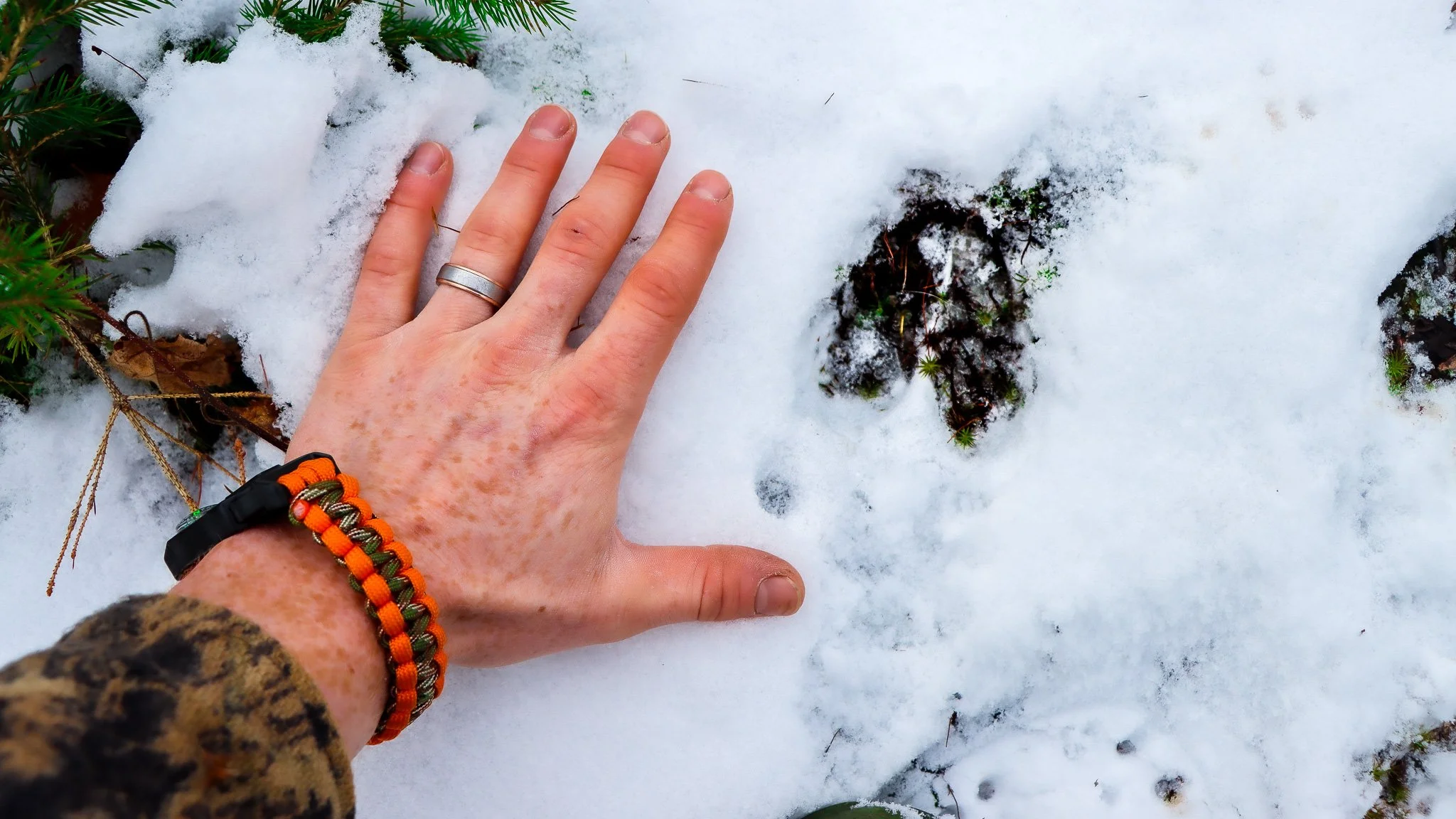
Older Tracks Allow You to Cover Ground
If the track is several hours old, your strategy changes.
At this point:
The buck is likely bedded
You can afford to move faster between sign
Your focus should be on where he would bed, not where he’s been
This is where experience matters. Mature bucks don’t wander randomly — they bed with purpose. Moving efficiently through transition areas and slowing down as you approach likely bedding terrain is far more effective than creeping the entire track.
Let the Track Tell the Story
A good track tells you more than direction — it tells you state of mind.
Pay attention to:
Track spacing (long strides vs short steps)
Direction changes
Pauses and milling
Crossed trails or hesitation marks
These details tell you whether a buck is relaxed, feeding, traveling, or aware of danger. Your pace should change every time the story changes.
When You’re Close, Everything Changes
When you’re closing in on a buck, there’s a noticeable shift in sign:
Tracks tighten up
Direction becomes more deliberate
The buck starts favoring cover
This is when you slow to a crawl.
Every step should be intentional. Glass ahead. Look for parts of deer — legs, antlers, horizontal lines — not the whole animal. Many bucks are jumped because hunters keep their eyes on the track instead of what’s in front of them.
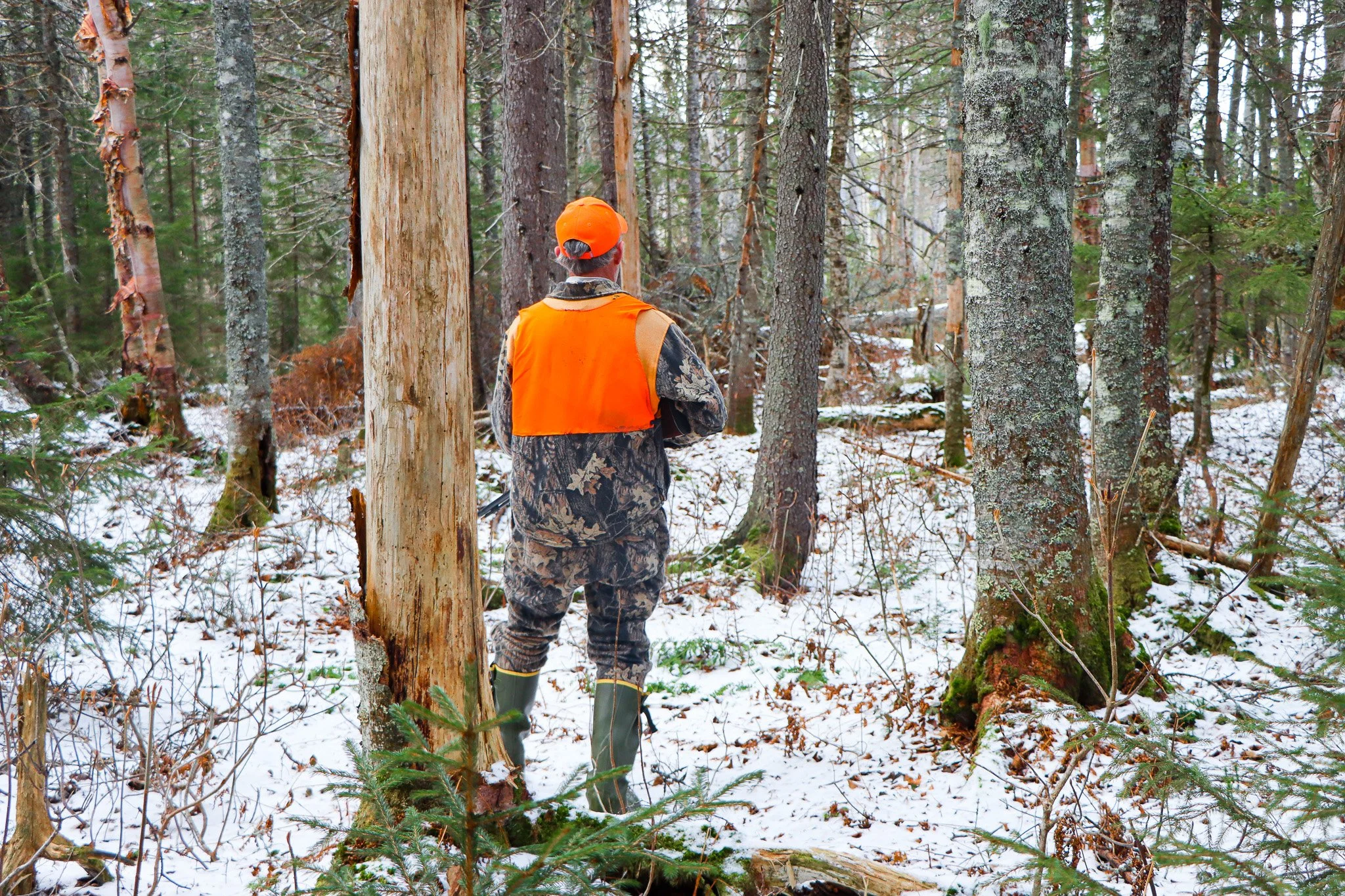
Tracking Is a Mental Game
Tracking isn’t just physical — it’s psychological.
Doubt causes rushed decisions. Overthinking causes hesitation. The best trackers strike a balance between confidence and patience.
You don’t need to be perfect — you need to be consistent, observant, and willing to adapt.
Final Thoughts: Match Your Pace to the Buck
The right speed when tracking a buck isn’t something you decide ahead of time.
It’s something the deer decides for you.
If you learn to read the track honestly — without ego, excitement, or fear — you’ll move at exactly the pace you need to be moving.
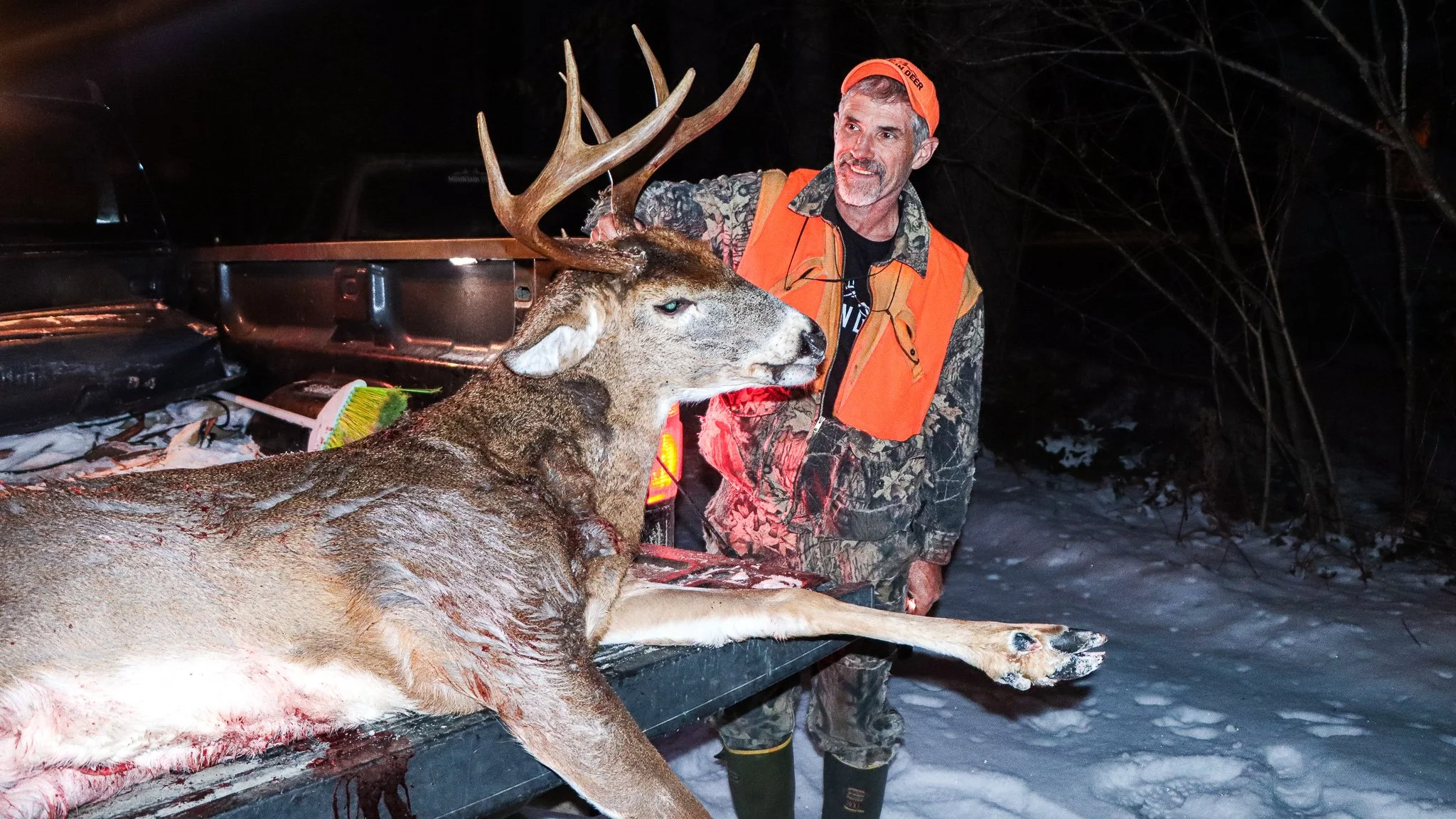
Listen to the Full Episode
If you want the full conversation and deeper nuance, listen to the complete episode here: