
What Deer Hunters Can Learn From Sniper Training.
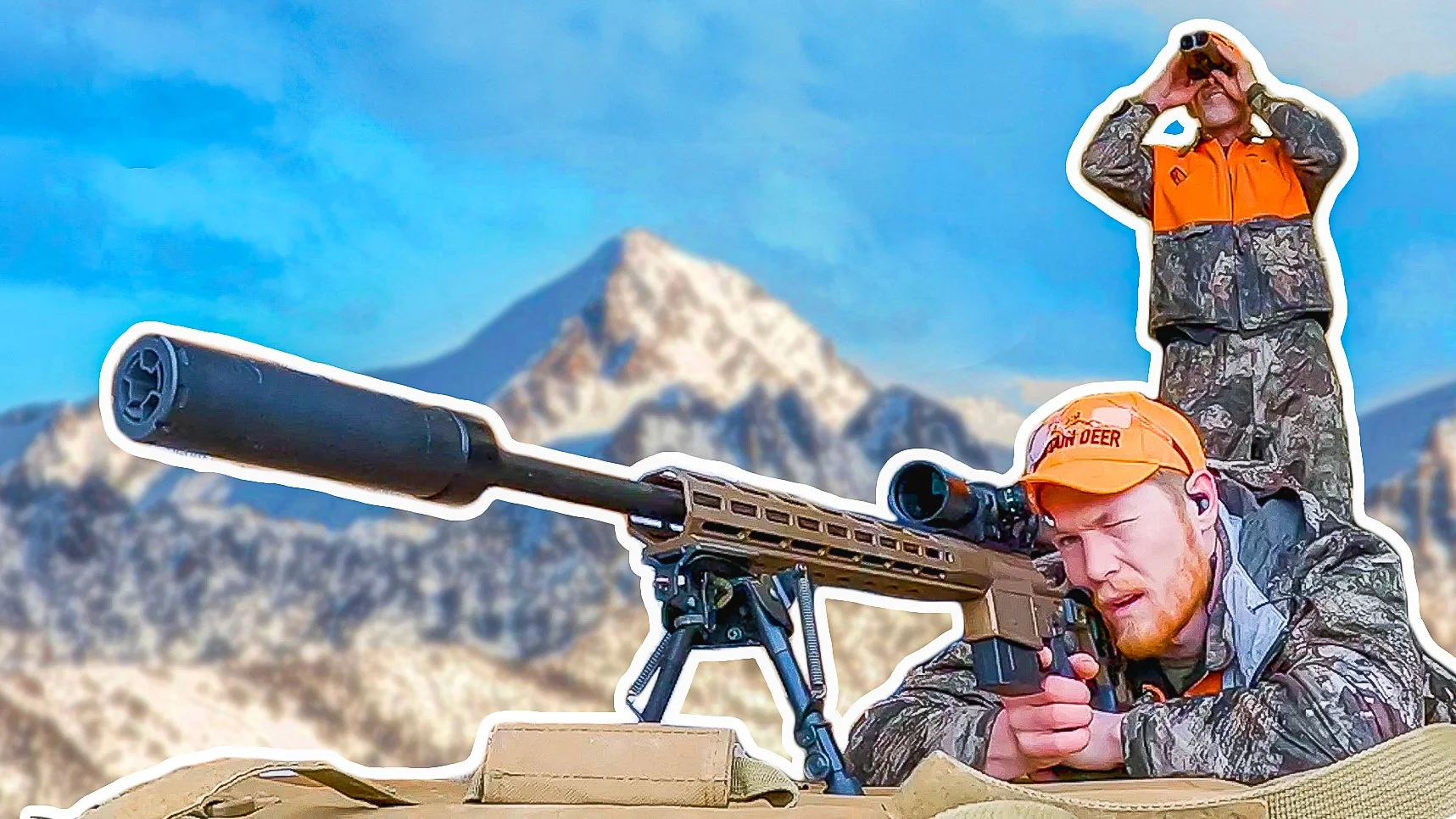
Why Precision, Discipline, and Decision-Making Matter More Than Ever
At first glance, deer hunting and sniper training might seem worlds apart.
Different environments. Different objectives. Different stakes.
But after traveling to Montana and going through professional sniper training, one thing became clear: the core skills that make an elite sniper are the same skills that separate consistently successful deer hunters from everyone else.
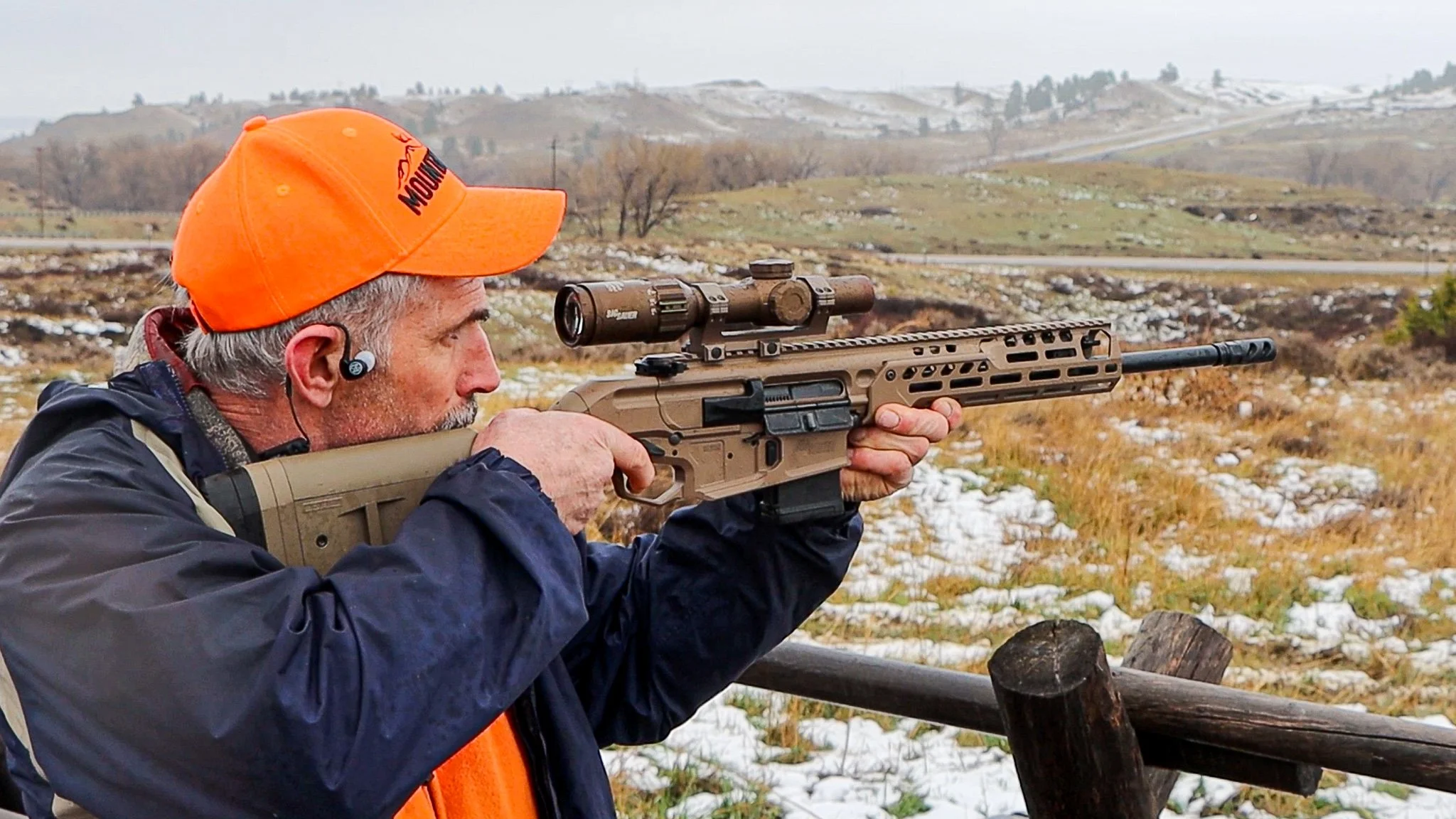
In this episode of the Mountain Deer Podcast, we break down what deer hunters can actually learn from sniper training — not tactics, not gear, but mindset, discipline, and execution under pressure.
Precision Starts Long Before the Shot
One of the biggest misconceptions in both shooting sports and hunting is that success comes down to the moment you pull the trigger.
It doesn’t!
In this elite training, the shot is the final step in a long sequence of preparation:
Positioning
Stability
Breathing
Mental clarity
Environmental awareness
The same applies to deer hunting.
If your setup is rushed, your position is compromised, or your mind is cluttered, the odds are already stacked against you — regardless of how good a shot you are.
Fundamentals Beat Talent Every Time
Sniper training strips things down to fundamentals.
No shortcuts. No ego. No excuses.
Everything revolves around:
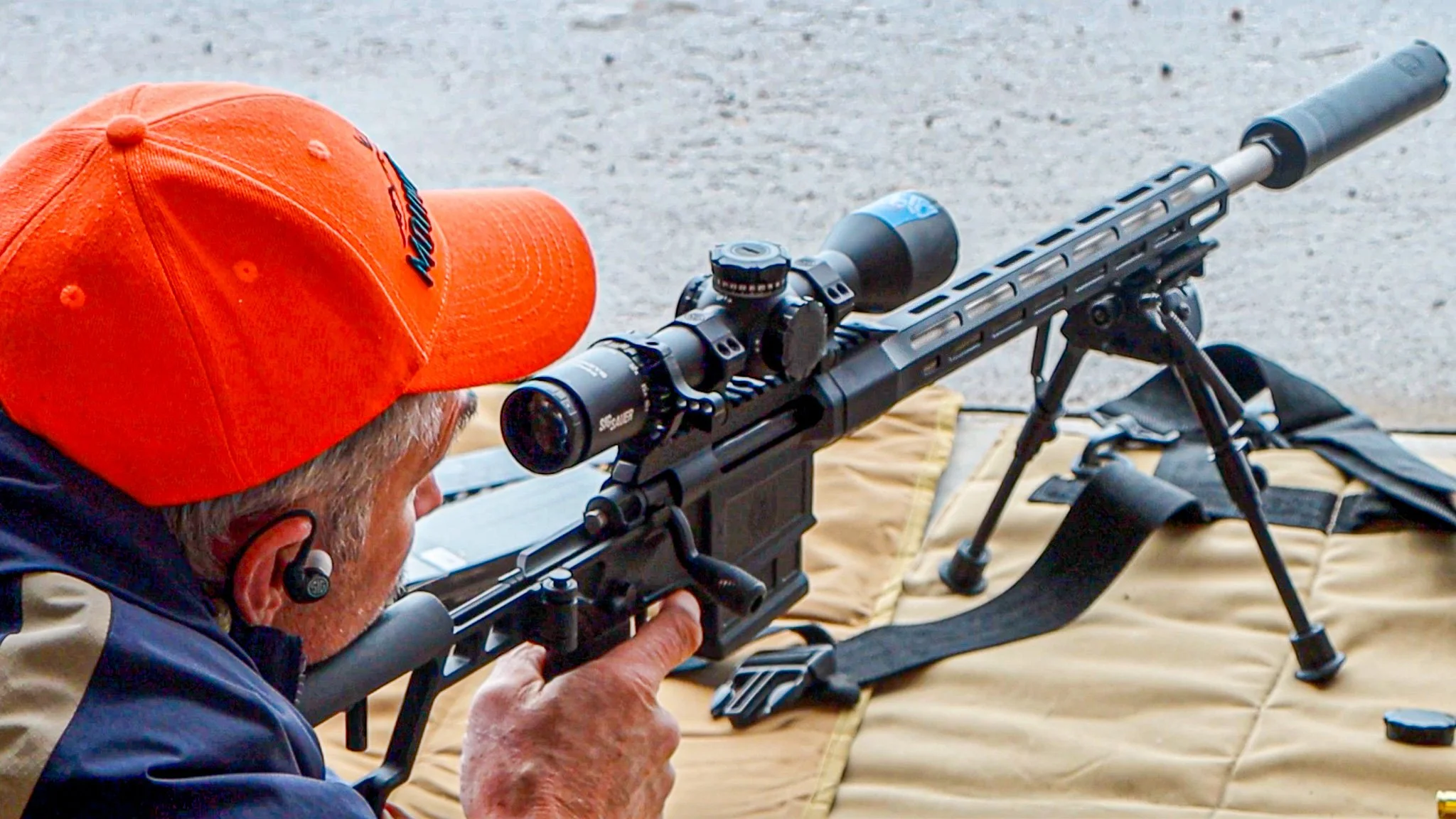
Repeatable body position
Controlled breathing
Consistent trigger press
Follow-through
For deer hunters, this reinforces a hard truth:
Skill is built through discipline, not luck.
The hunters who consistently kill mature deer aren’t the most aggressive or the most confident — they’re the most controlled.
Slowing Down Is a Competitive Advantage
One of the biggest lessons from the Montana training was how intentionally slow everything was.
Movement was deliberate.
Decisions were measured.
Mistakes were corrected immediately.
In the woods, hunters often rush:
Rush setups
Rush shots
Rush opportunities
But pressure reveals flaws.
Sniper training reinforces that slowing down doesn’t cost you opportunities — it creates them.
Situational Awareness Matters More Than Equipment
Modern hunters often focus heavily on gear.
Though a large portion of our instruction was centered on, equipment, how to find the best gear, and how to use it, the takeaway really puts the emphasis elsewhere.
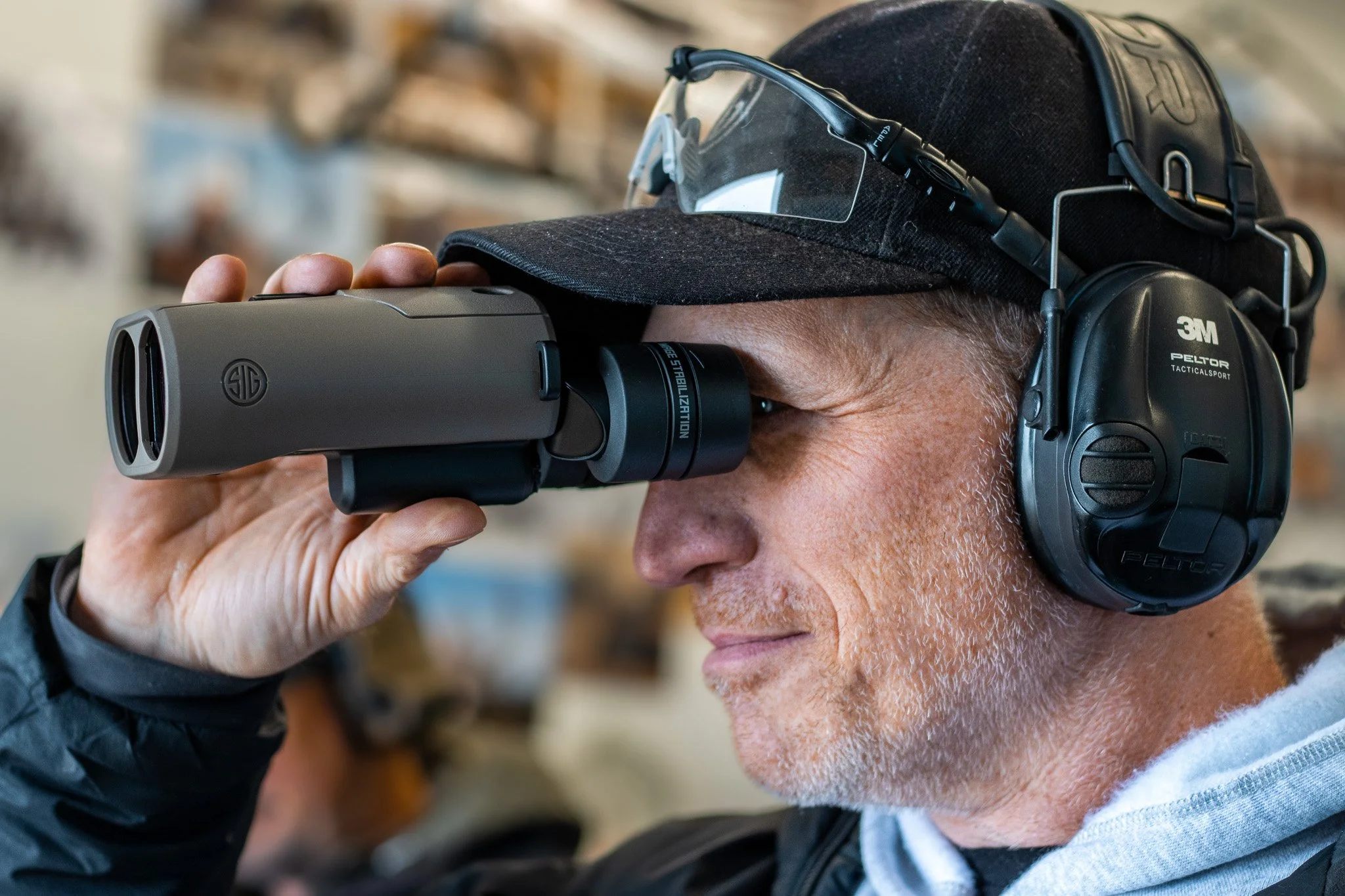
Environmental awareness — wind, angle, distance, stability — matters far more than what rifle or optic you’re using. Tools matter, but they don’t replace awareness.
The same holds true in deer hunting. Mature bucks are killed by hunters who understand what’s happening around them, not by hunters who simply have better equipment.
Emotional Control Is a Skill
Can you keep it together when the pressure is on?
Perhaps the most transferable lesson from sniper training is emotional regulation.
You don’t rise to the occasion — you fall to your level of training.
Adrenaline, pressure, and anticipation affect decision-making. Learning how to recognize those emotions and control them is what allows a clean execution when it matters.
For deer hunters, this translates directly to:
Buck fever
Rushed shots
Poor follow-up decisions
Calm is not natural — it’s trained.
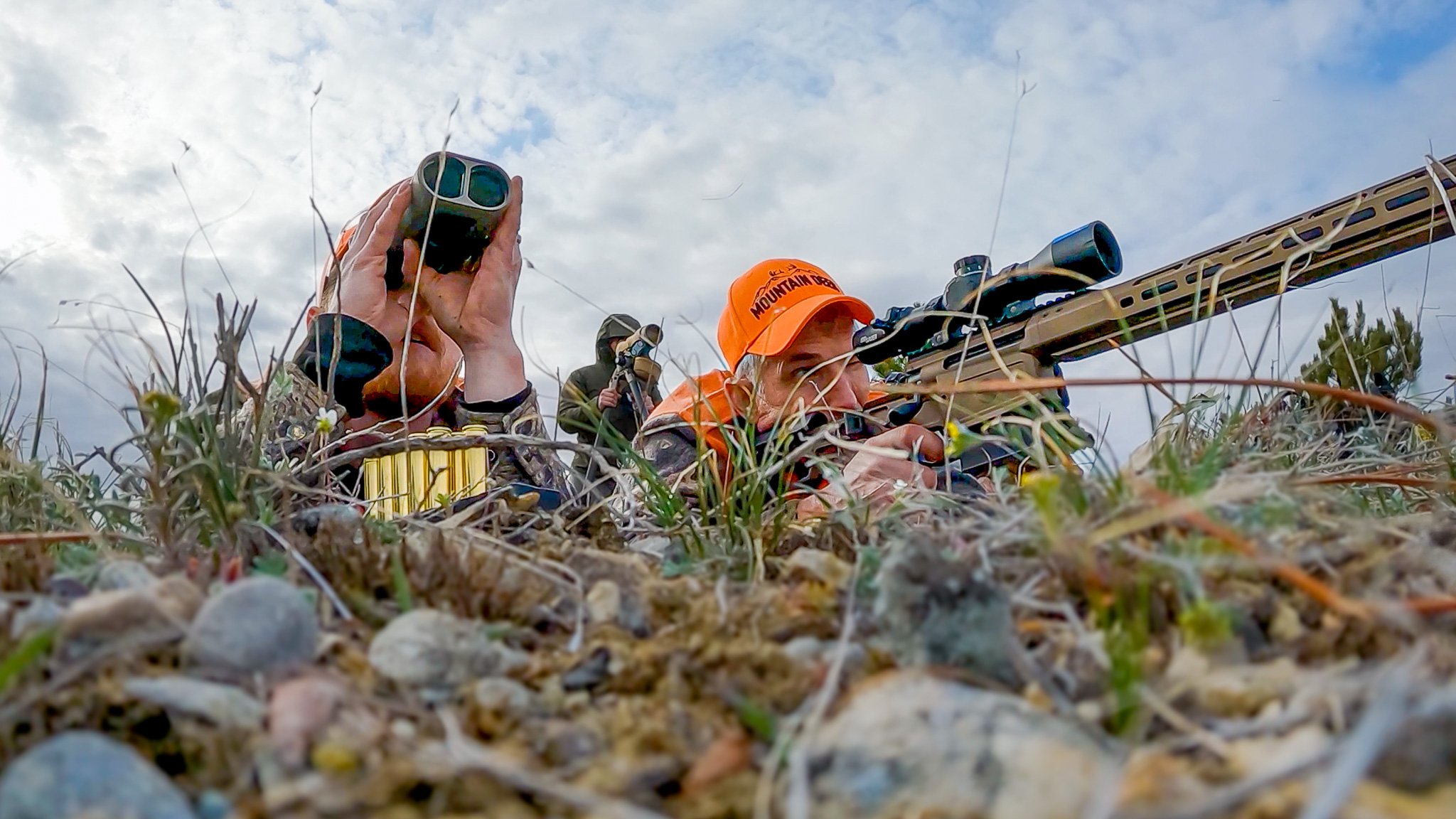
The Woods Reward Discipline
What the event reinforced is something hunting has always taught quietly:
The woods reward preparation, patience, and humility.
The long range training doesn’t make you reckless — it makes you more aware of your limitations. That mindset carries directly into hunting mature deer, where one mistake can end a season-long pursuit.
Final Thoughts
This training isn’t about turning hunters into soldiers.
It’s about reinforcing timeless principles:
Precision over speed
Awareness over aggression
Discipline over ego
The best deer hunters already operate this way — whether they realize it or not.
Our Montana trip simply made it impossible to ignore.
Listen to the Full Episode
To hear the full conversation and the firsthand experience from the training, listen to the complete episode here: